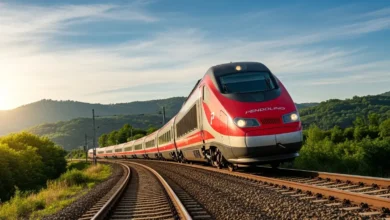

Poland’s ambitious Centralny Port Komunikacyjny (CPK) project is set to transform the nation’s transport landscape with its flagship “Y” Line high-speed rail network.
Launched as part of a €30.7 billion initiative, this Y-shaped route connects Warsaw and the new CPK airport to Łódź, Poznań, and Wrocław, slashing travel times and boosting connectivity. But beyond speed, the CPK Y-Line aligns perfectly with the EU’s Green Deal, promoting sustainable mobility, reducing emissions, and integrating Poland into Europe’s eco-friendly transport corridors.
In this detailed guide to Poland’s CPK Y-Line and EU Green Vision synergy, we’ll explore the project’s details, environmental impact, funding, and future. Ideal for searches like “CPK Y Line Poland EU Green Deal,” “high-speed rail Poland sustainability,” or “CPK project 2026 updates.”
What is the CPK Y-Line? Poland’s High-Speed Rail Revolution
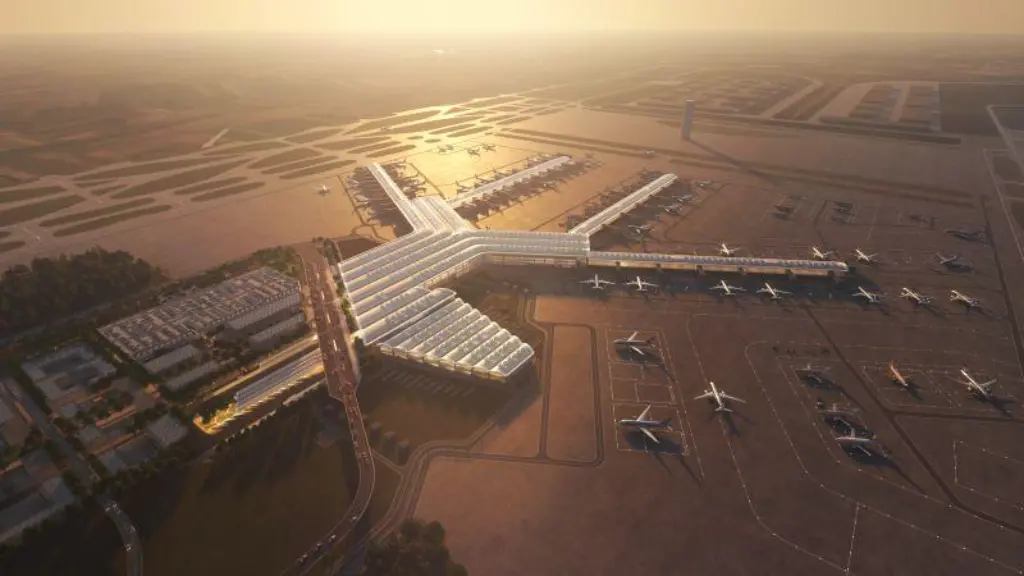
The CPK Y-Line is the backbone of Poland’s Centralny Port Komunikacyjny—a mega-hub combining a new international airport near Baranów (40km west of Warsaw) with an extensive high-speed rail system. Shaped like a “Y,” the line starts in Warsaw, passes through the CPK airport, heads to Łódź, and then branches northwest to Poznań and southwest to Wrocław. Trains will reach speeds of 250 km/h initially, with potential upgrades to 350 km/h.
This isn’t just about faster commutes; it’s a €30.7 billion investment (PLN 131 billion) running through 2032, creating 290,000 jobs and modernizing Poland’s outdated rail infrastructure. The project, greenlit by Prime Minister Donald Tusk in 2024, prioritizes interoperability with EU standards like ERTMS for seamless cross-border travel.
Map of Poland’s CPK Y high-speed rail line
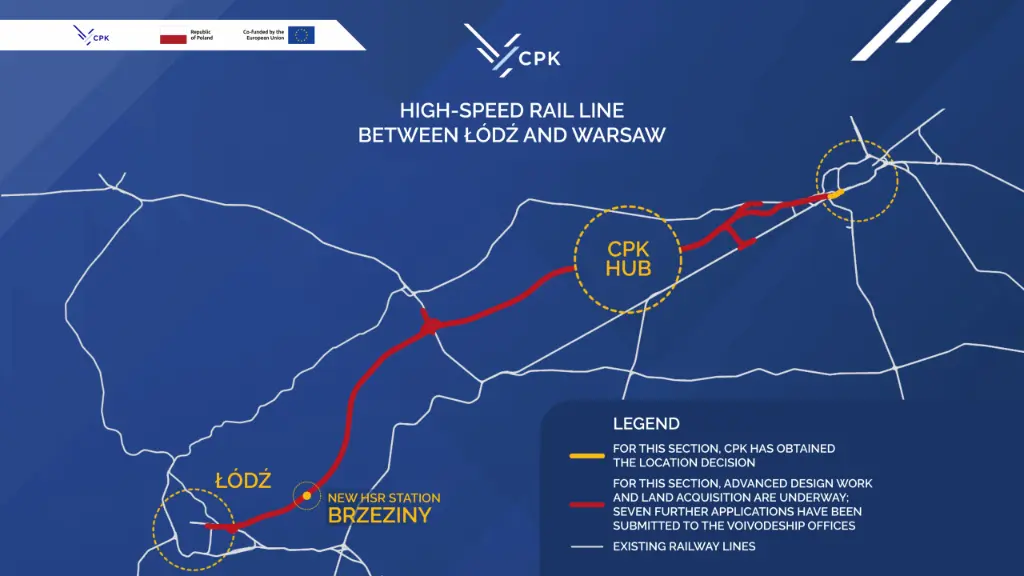
Poland: First Location Decision for High-Speed Rail Line Between …
How the CPK Y-Line Fits the EU’s Green Vision
The EU’s Green Deal aims for climate neutrality by 2050, emphasizing sustainable transport to cut emissions by 90%. Poland’s CPK Y-Line directly supports this by shifting passengers from high-emission cars and planes to efficient rail. As part of the Trans-European Transport Network (TEN-T), it integrates with corridors like North Sea-Baltic and Baltic-Adriatic, enhancing cross-EU connectivity while optimizing energy use and reducing CO2.
- Emission Reductions: High-speed rail emits up to 90% less CO2 than short-haul flights or cars, aligning with Green Deal goals for low-emission mobility.
- Modal Shift: By cutting travel times (e.g., Warsaw to Wrocław in under 2 hours), it encourages rail over road/air, supporting EU’s sustainable transport policy.
- EU Funding Tie-In: The project qualifies for Connecting Europe Facility (CEF) grants because of its green credentials, with over PLN 500 million already secured.
The Y-Line also promotes regional equity, connecting coal-dependent areas like Silesia to greener economies, echoing the Green Deal’s “Just Transition” for fossil-fuel regions.
EU Green Deal sustainable rail transport initiative
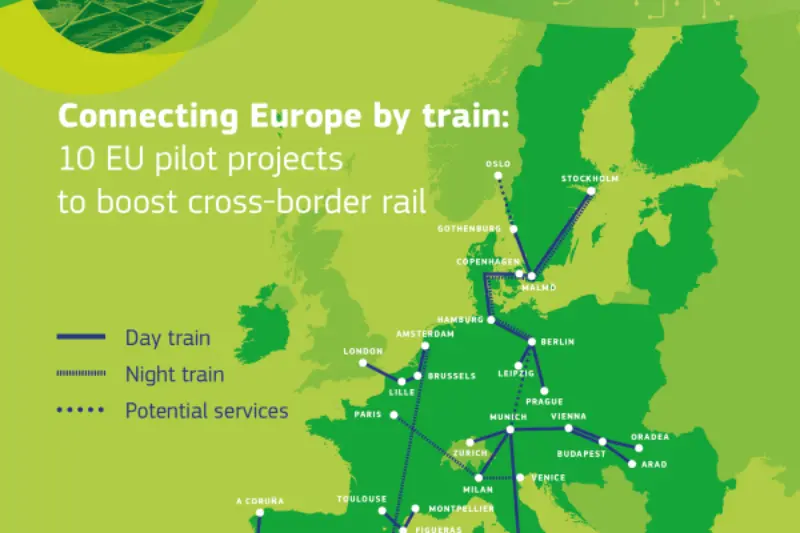
Sustainable & smart mobility – Mobility and Transport
The Journey: Routes, Timelines, and Key Features
The Y-Line spans about 500km of new track, with the Warsaw-Łódź section (140km) as the first phase, set for completion by 2030-2032. It includes tunnels (e.g., 4km under Łódź) and an underground station at CPK airport for seamless air-rail transfers.
Route Breakdown and Travel Times
Here’s a table of key segments and projected times:
| Segment | Distance (km) | Max Speed | Travel Time from Warsaw | Key Features |
|---|---|---|---|---|
| Warsaw to CPK Airport | 40 | 250 km/h | 15 minutes | Direct airport integration, ERTMS tech |
| CPK to Łódź | 100 | 250-350 km/h | 25 minutes total | Underground tunnel in Łódź |
| Łódź to Poznań (Branch) | 200 | 250 km/h | 1 hour 40 minutes | Connects to western Poland, TEN-T links |
| Łódź to Wrocław (Branch) | 180 | 250 km/h | 1 hour 40 minutes | Ties into Baltic-Adriatic Corridor |
Times based on 2025 projections; actuals may vary.
Construction kicks off in 2026 for early sections, with full network by 2035. Partnerships with French SNCF and Spanish INECO ensure EU-standard designs.
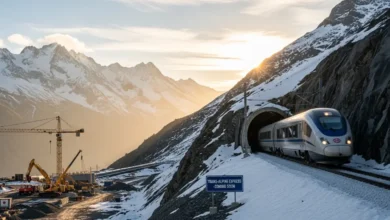
CPK airport and rail construction site
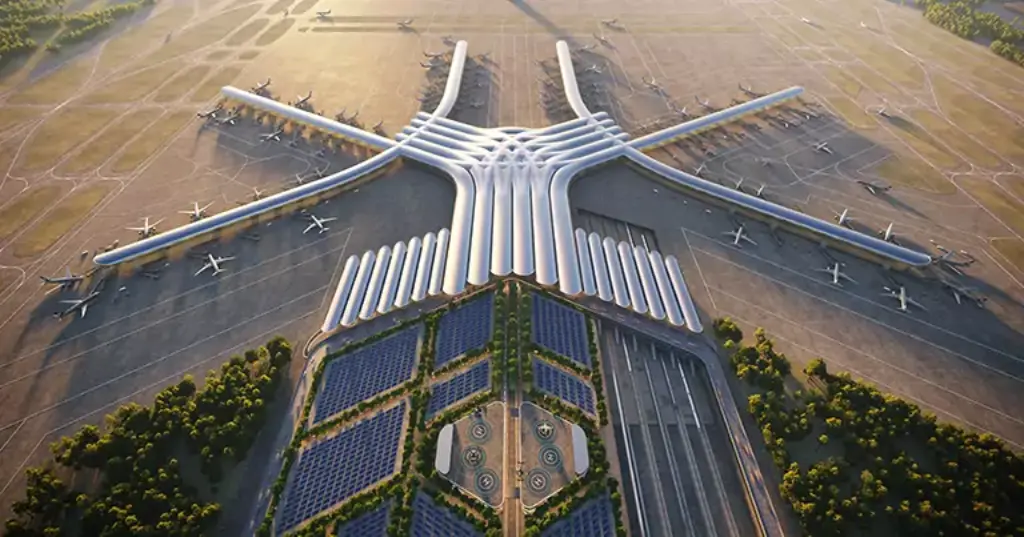
CPK Airport (Centralny Port Komunikacyjny) – Buro Happold
Costs, Funding, and EU Support
The total CPK program costs €30.7 billion, with the Y-Line as a major component. Funding mixes State Treasury, EU grants, loans, and bonds.
Funding Sources Breakdown
| Source | Amount (Approx.) | Details |
|---|---|---|
| EU Grants (CEF) | PLN 500+ million (€118m+) | For design, e.g., €38m for Y-Line segment; tied to Green Deal compliance |
| Polish Government | PLN 80 billion | Core funding for construction |
| Loans/Bonds | PLN 40 billion | From banks and CPK issuances |
| Private Investment | Variable | Tenders worth PLN 30bn by 2025 for terminals, tunnels |
2024-2025 figures; more EU funds expected in 2025.
Tenders exceed PLN 8 billion in 2024, with more for the Y-Line in 2026. EU support hinges on environmental standards, reducing expropriations, and TEN-T alignment.
Is the CPK Y-Line Worth It? Pros, Cons, and Green Impact
Yes, for sustainability enthusiasts and travelers—it’s a game-changer for Poland’s mobility, cutting emissions and fostering economic growth. Pros: 90% lower CO2 than alternatives, job creation, EU integration. Cons: High costs, potential delays (audit in 2024 paused briefly), and expropriation concerns (now minimized).
Golden Rule: Monitor EU funding updates—Green Deal compliance ensures more grants.
Alternatives: Other EU Green Rail Projects
If Y-Line doesn’t suit, consider:
- Existing Polish Rail: PKP Intercity for Warsaw-Łódź (1.5 hours, from €10), but slower.
- European Nightjets: Vienna-Warsaw sleeper, eco-friendly but overnight.
- V4 High-Speed: Planned Warsaw-Budapest via Czechia, Green Deal-backed.
- Flights: Warsaw-Wrocław €50, but higher emissions counter Green Vision.
Summary: Connecting Poland to a Greener Europe
Poland’s CPK Y-Line bridges national ambition with the EU’s Green Deal, delivering high-speed, low-emission rail that cuts travel times and emissions while securing EU funds. As construction ramps up in 2026, it’s poised to make Poland a key player in sustainable European transport.
Stay updated via cpk.pl—tenders and progress reports available now!