It is the birthplace of the railway. The country where the steam engine was invented, the first intercity line was laid, and the “Tube” defined urban transport for the world.
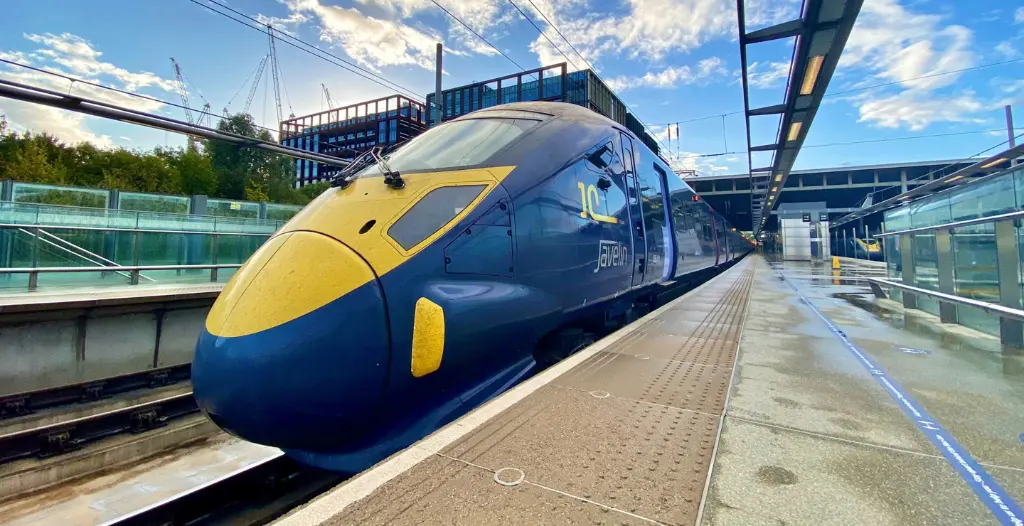
The United Kingdom’s railway network is a fascinating mix of Victorian engineering and modern innovation. From the high-speed Javelin trains racing to Kent to the slow, diesel-powered scenic lines of the Scottish Highlands; from the bustle of London Waterloo to the lonely halts of Wales. It is a network of contrasts, history, and often, obsession.
Despite its reputation for high prices and complexity, the British rail system is dense, frequent, and offers some of the most romantic journeys on Earth.
This is your complete guide to exploring the UK by train.
United Kingdom by Train: The Overview
| Fact | Details |
|---|---|
| Total Network | ~15,800 km of railway lines |
| Main Operator | Fragmented system of ~28 private Train Operating Companies (TOCs) under the “National Rail” brand |
| Infrastructure | Network Rail (State-owned) |
| High-Speed | HS1 (London-Kent), Javelin, Eurostar, Avanti West Coast (Pendolino) |
| Maximum Speed | 300 km/h (HS1), 200 km/h (West Coast/East Coast Mainlines) |
| International | Eurostar to France, Belgium, Netherlands |
| Rail Passes | BritRail (tourists only), Eurail/Interrail |
| Currency | Pound Sterling (£) |
Why Train Travel Works in the UK
- Density: The network reaches almost everywhere. Even small towns often have a station.
- Frequency: British intercity routes have some of the highest frequencies in Europe (e.g., London-Manchester every 20 mins).
- City Centers: Stations are in the heart of cities, often acting as cathedrals of transport (St Pancras, King’s Cross, York).
- Scenery: The coastal lines of Devon, the viaducts of Scotland, and the rolling hills of the Cotswolds make for beautiful viewing.
- The “Advance” Ticket: While walk-up fares are expensive, booking ahead can secure incredibly cheap tickets.
The History: The Railway Motherland
The UK is railway history.
- 1825: The Stockton and Darlington Railway opens—the world’s first public railway to use steam locomotives.
- 1830: The Liverpool and Manchester Railway opens—the first true intercity line.
- Victorian Boom: A frenzy of building connected the entire island, creating the iconic stations and viaducts we use today.
- The Big Four (1923): Dozens of companies merged into GWR, LNER, LMS, and SR.
- British Rail (1948-1990s): Nationalization created a unified but often underfunded state railway.
- Privatization (1994-1997): The network was broken up. Tracks went to one company (now Network Rail), while train operations were franchised to private companies (Virgin, Arriva, First, etc.).
This privatization created the complex system used today, where different companies run different lines, but all operate under the umbrella of National Rail.
The Operators: A Patchwork Quilt
Unlike France or Germany with one big national carrier, the UK has many. You don’t need to know them all, but knowing the main ones helps.
| Operator | Key Route | Notes |
|---|---|---|
| Avanti West Coast | London Euston – Manchester/Glasgow | The backbone of the West. Runs tilting Pendolinos. |
| LNER | London King’s Cross – York/Edinburgh | The historic East Coast line. Fast and scenic. |
| GWR | London Paddington – Bristol/Wales/Cornwall | The route to the West Country. Historic “Brunel” line. |
| ScotRail | All of Scotland | Scenic lines, commuter routes, and the Highlands. |
| Eurostar | London St Pancras – Paris/Brussels | High-speed international link. |
| Transport for Wales | Wales and borders | Connects the valleys and coasts of Wales. |
Important: You can buy tickets for ANY train company on ANY train company’s website (e.g., you can buy a Scotland ticket on the GWR website). They all connect to the central reservation system.
Train Types: From Bullet Trains to Pacers
High-Speed (125mph+)
- Eurostar (e320): Connects the UK to Europe at 300 km/h.
- Javelin (Class 395): Runs on the High Speed 1 line from London to Kent.
- Pendolino (Class 390): Tilting trains on the West Coast Mainline.
- Azuma (Class 800): Bi-mode (electric/diesel) trains on the East Coast and Great Western lines. Sleek and modern.
InterCity
The workhorses. Usually electric trains running at 100-125 mph (160-200 km/h). Comfortable, with Wi-Fi and catering trolleys.
Regional & Commuter
Huge variety.
- Modern: New fleets are replacing old trains across the North and Wales.
- Legacy: You might still find older diesel units on rural lines, though the infamous “Pacer” (basically a bus on rails) has finally been retired.
Sleeper Trains
Two legendary services remain:
- Caledonian Sleeper: London to Scotland (Highlands/Lowlands). Brand new fleet, very comfortable.
- Night Riviera: London to Cornwall. A classic sleeper experience.
The Price: The “Split Ticket” Secret
UK rail pricing is notorious. A ticket bought on the day can cost £150, while the same seat booked weeks ago cost £25.
Ticket Types
| Type | Flexibility | Price |
|---|---|---|
| Advance | Specific train only. No refunds. | Cheapest. Available ~12 weeks out. |
| Off-Peak | Valid on any train outside busy times (usually after 9:30am). | Mid-range. Good flexibility. |
| Anytime | Valid on any train, even rush hour. | Most expensive. Avoid unless necessary. |
Money-Saving Hacks
- Railcards: If you are 16-25, 26-30, over 60, traveling as a couple (“Two Together”), or with family, buy a Railcard (£30/year). It gives you 1/3 off almost all fares. It pays for itself in one or two long trips.
- Split Ticketing: Sometimes buying A->B and B->C is cheaper than buying A->C, even if you stay on the same train. Apps like TrainPal or TrainSplit do this automatically.
Rail Passes: BritRail vs. Eurail
BritRail Pass
Only for non-UK residents. You must buy this before you arrive (or online).
- Verdict: Excellent value if you plan to travel long distances on peak trains. It gives you the flexibility of an “Anytime” ticket for a fraction of the price.
- Variants: BritRail England, BritRail Spirit of Scotland, etc.
Eurail / Interrail
Valid in Great Britain (England, Scotland, Wales).
- Reservations: Free in the UK! (Except sleepers/Eurostar). This is a huge advantage over France/Italy. You can make reservations at stations or online to guarantee a seat.
Scenic Routes: The British Beauty
1. The West Highland Line (Scotland)
Route: Glasgow – Fort William – Mallaig
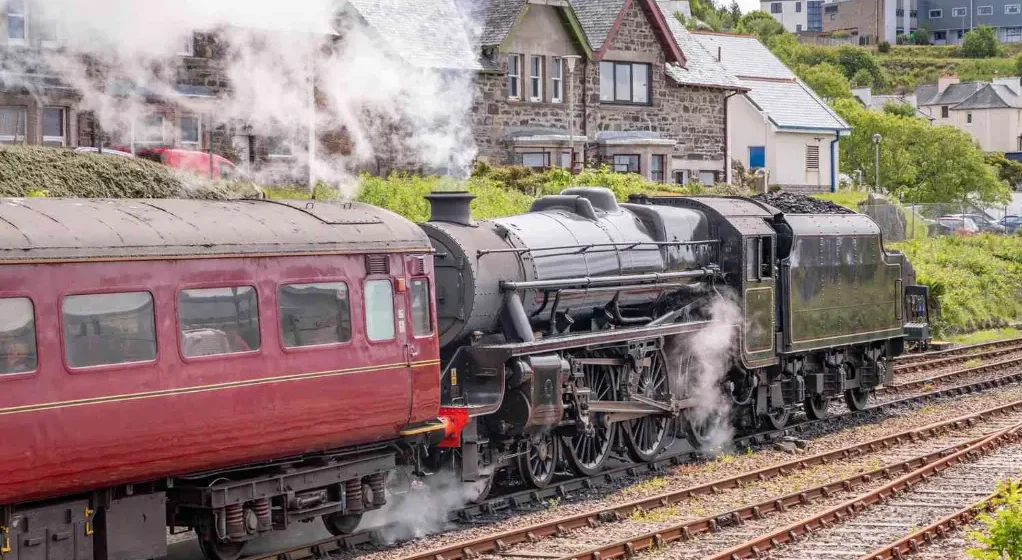
Voted the world’s best rail journey by Wanderlust. It crosses the wild Rannoch Moor and the Glenfinnan Viaduct (the “Harry Potter Bridge”).
2. The Settle-Carlisle Line (England)
Route: Leeds – Carlisle
Cuts through the rugged Yorkshire Dales and Eden Valley. Famous for the massive Ribblehead Viaduct.
3. The Riviera Line (England)
Route: Exeter – Newton Abbot
The track runs along the sea wall at Dawlish. Waves literally crash against the train windows in storms.
4. The Heart of Wales Line
Route: Swansea – Shrewsbury
A slow, rural ramble through the green hills and remote villages of Mid-Wales.
5. The Far North Line (Scotland)
Route: Inverness – Thurso/Wick
Takes you to the very top of Britain through desolate, beautiful Flow Country.
Regional Guide: Major Hubs
London
A rail universe of its own. It has many terminals forming a ring around the center.
- King’s Cross / St Pancras: North/East, Scotland, Eurostar (Paris/Brussels).
- Euston: West Midlands, North West, Glasgow.
- Paddington: West Country, Wales, Heathrow Express.
- Waterloo: South/South West. Busiest station in the UK.
- Victoria: South/South East.
- Liverpool Street: South West/East Anglia.
Tip: You almost always need the Underground (Tube) or bus to transfer between these stations.
Edinburgh (Waverley)
The gateway to Scotland. A stunning station located in the valley between the Old and New Towns.
Manchester (Piccadilly)
The hub of the North. Connects lines from London, Wales, Scotland, and across the Pennines to Leeds/York.
Birmingham (New Street)
The central crossroads. Almost every cross-country train passes through here.
International Connections: The Channel Tunnel
The Eurostar is the UK’s only rail link to the outside world.
- Route: London St Pancras to Paris Gare du Nord, Brussels Midi, Amsterdam Centraal.
- Speed: 300 km/h.
- Experience: Requires airline-style check-in and passport control (allow 45-60 mins).
- Booking: Book months in advance. Prices rise sharply.
Practical Tips for Travelers
- National Rail Enquiries: The official source for times and platforms. Download the app.
- Delay Repay: If your train is delayed by 15+ minutes (varies by operator), you are entitled to compensation. Claim it online!
- Seat Reservations: On long-distance trains (LNER, Avanti, GWR), reservations are highly recommended but usually free. Look for the electronic display above the seat or the paper ticket in the seat back.
- First Class: On weekends, you can often upgrade to First Class for a small fee (£10-20) using “Weekend First” upgrades on board.
- Food: Train food is overpriced. Supermarkets (M&S, Sainsbury’s, Tesco) are at almost every big station. Buy a “Meal Deal” before you board.
Common Mistakes
- Assuming all London trains leave from one station: Check your ticket! Going to Edinburgh? King’s Cross. Going to Bristol? Paddington.
- Buying tickets at the machine on the day: You will pay the highest possible price. Buy online even 15 minutes before travel to check for cheaper fares.
- Queueing at the barrier: Use the barcode scanner on your phone ticket. If it doesn’t work, ask staff.
Summary
The UK rail network is a characterful beast. It can be expensive and sometimes eccentric, but it is deeply woven into the fabric of the nation. It offers the unparalleled romance of a sleeper to the Highlands, the sleek speed of a Javelin to the coast, and the simple pleasure of a tea trolley rolling down the aisle as the green fields of England rush by.
Ready to explore? Grab a Bacon roll at King’s Cross, board the “Flying Scotsman” route north, and watch the cathedral of York Minster slide past your window.
Useful Links:
- National Rail Enquiries: nationalrail.co.uk
- Seat61 (The Bible of Train Travel): seat61.com
- BritRail Passes: britrail.com