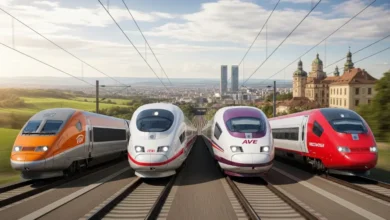
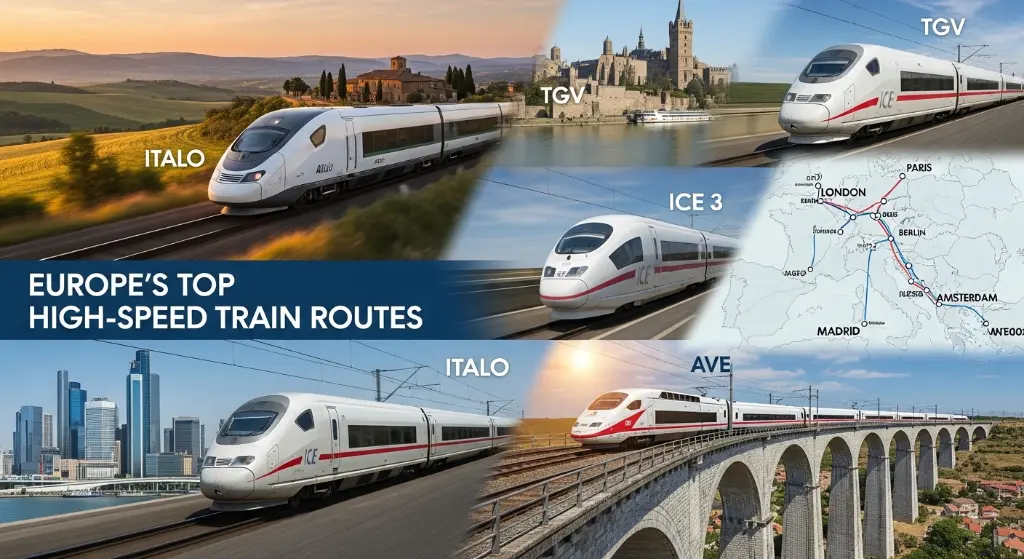
Europe’s high-speed rail network connects some of the continent’s most iconic cities in just a few hours. For many routes, trains are now faster door-to-door than flights — and far more comfortable. If you’re planning a trip across Europe, these are the best high-speed train routes worth considering.
Paris – Lyon (France)
This is one of Europe’s most successful high-speed corridors. The journey takes around 2 hours, connecting the French capital with Lyon’s culinary and cultural scene. Frequent departures and city-center stations make this route a perfect alternative to flying.
Madrid – Barcelona (Spain)
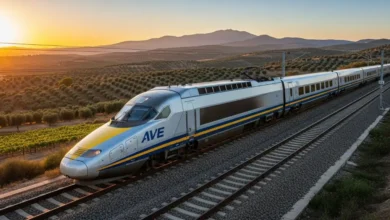
Spain’s AVE high-speed service links Madrid and Barcelona in approximately 2.5 hours. This connection has dramatically reduced domestic air traffic between the two cities. With comfortable seating and reliable schedules, it’s one of Europe’s flagship rail routes.
Rome – Milan (Italy)
Italy’s Frecciarossa trains cover the Rome–Milan corridor in about 3 hours. With premium cabins and business-class options, this route combines speed with exceptional comfort. It’s a strong example of how high-speed rail can replace short-haul flights entirely.
Berlin – Munich (Germany)
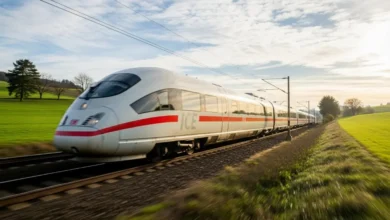
Germany’s ICE trains connect Berlin and Munich in roughly 4 hours. The line showcases Germany’s efficient rail infrastructure and provides a relaxed alternative to busy domestic flights.
Paris – Brussels (France–Belgium)
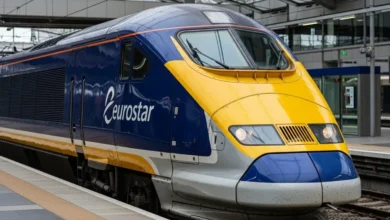
Covering the distance in just 1 hour 25 minutes, this cross-border route highlights the strength of Europe’s integrated rail system. Business travelers and tourists alike benefit from rapid city-center connections.
Why These Routes Stand Out
- High frequency of departures
- City-center to city-center access
- Minimal security procedures
- Lower carbon emissions compared to flights
High-speed rail plays a central role in Sustainable Travel in Europe, offering fast mobility with reduced environmental impact.
High-Speed Trains vs Flights
While flights may appear quicker, airport transfers and security procedures often eliminate the advantage on short and medium routes. For a detailed breakdown, read Night Trains vs Flying: What Really Saves Time?.
Combining High-Speed and Night Trains
Many travelers combine daytime high-speed routes with overnight journeys for maximum efficiency. For example, a high-speed connection during the day followed by a sleeper service can eliminate hotel nights and optimize travel time.
Explore how overnight rail fits into European itineraries in our complete guide to Night Trains in Europe.
The Future of High-Speed Rail
Europe continues expanding cross-border high-speed connections. As rail infrastructure improves, more routes will compete directly with aviation — especially for journeys under 1,000 kilometers.
For a full overview of how Europe’s fast trains operate, visit High-Speed Trains in Europe – The Complete Guide.