Dreaming of an epic overland adventure across Russia? The Trans-Siberian Railway, the world’s longest rail line at 9,289 km (5,772 miles), stretches from Moscow to Vladivostok, crossing eight time zones and diverse landscapes from birch forests to Lake Baikal.
In 2026, it’s fully operational for travelers, with options for Trans-Mongolian and Trans-Manchurian branches to Beijing. Whether you’re a backpacker or luxury seeker, this iconic journey offers timeless romance amid modern conveniences like WiFi on select trains.
This 2026 Trans-Siberian Railway guide covers routes, schedules, prices, tips, and more. Perfect for searches like “Trans-Siberian Railway 2026 prices,” “best Trans-Sib routes,” or “how to book Trans-Siberian tickets.”
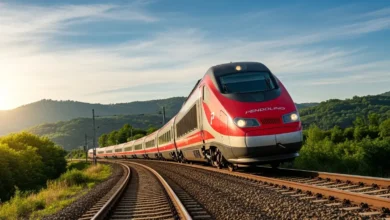
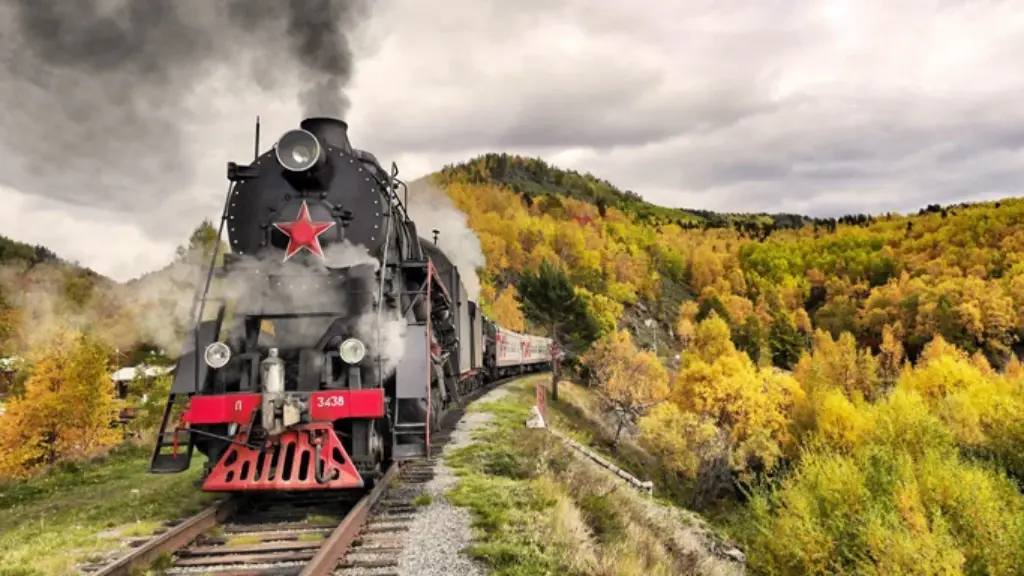
Trans-Siberian Railway train exterior crossing Siberian landscape
What Makes the Trans-Siberian Railway Unique in 2026?
Built between 1891-1916, the Trans-Sib remains a bucket-list trip, blending history, culture, and scenery. In 2026, post-pandemic recovery means more international access, with e-visas for many nationalities and group tours resuming. Key highlights: Stops at Irkutsk for Lake Baikal, Yekaterinburg for Romanov history, and Novosibirsk‘s urban vibe. Eco-tip: Rail emits far less CO2 than flying, aligning with sustainable travel trends.
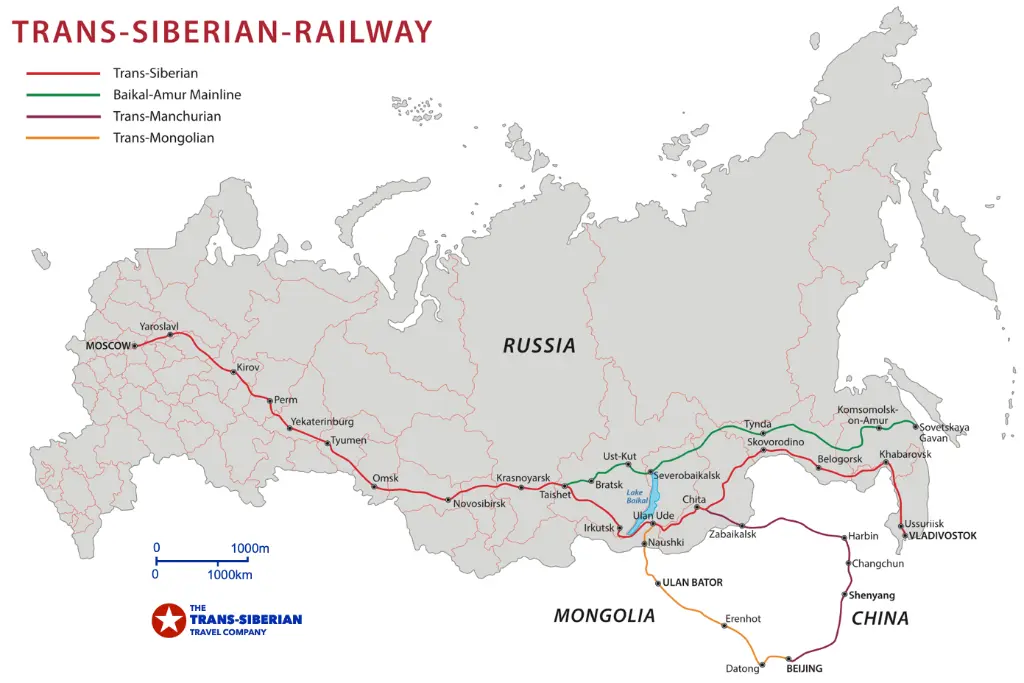
Routes include the classic Trans-Siberian (Moscow-Vladivostok), Trans-Mongolian (via Mongolia to Beijing), and Trans-Manchurian (via China to Beijing). Duration: 6-7 days non-stop, or 2-4 weeks with stops.
Trans-Siberian Railway route map showing branches
The Journey: Routes, Schedules, and Must-See Stops
The main route departs Moscow‘s Yaroslavsky Station, arriving in Vladivostok after ~144-168 hours. Trains like the premium Rossiya (#1/2) run every other day, while budget options like #99/100 are daily. In 2026, schedules remain stable, with departures around 00:20-23:45 from Moscow.
Popular Routes and Timetables (2026)
| Route Name | Path | Distance | Duration (Non-Stop) | Key Stops | Highlights |
|---|---|---|---|---|---|
| Trans-Siberian | Moscow -> Vladivostok | 9,289 km | ~7 Days | Yekaterinburg, Novosibirsk, Irkutsk (Lake Baikal), Khabarovsk | Siberian taiga, Ural Mountains crossing |
| Trans-Mongolian | Moscow -> Ulaanbaatar -> Beijing | 7,622 km | ~6 Days | Ulan-Ude, Ulaanbaatar (Mongolia) | Gobi Desert, Mongolian steppes |
| Trans-Manchurian | Moscow -> Harbin -> Beijing | 8,986 km | ~7 Days | Chita, Harbin (China) | Manchurian plains, no Mongolia visa needed |
Schedules approximate; check Russian Railways for real-time.
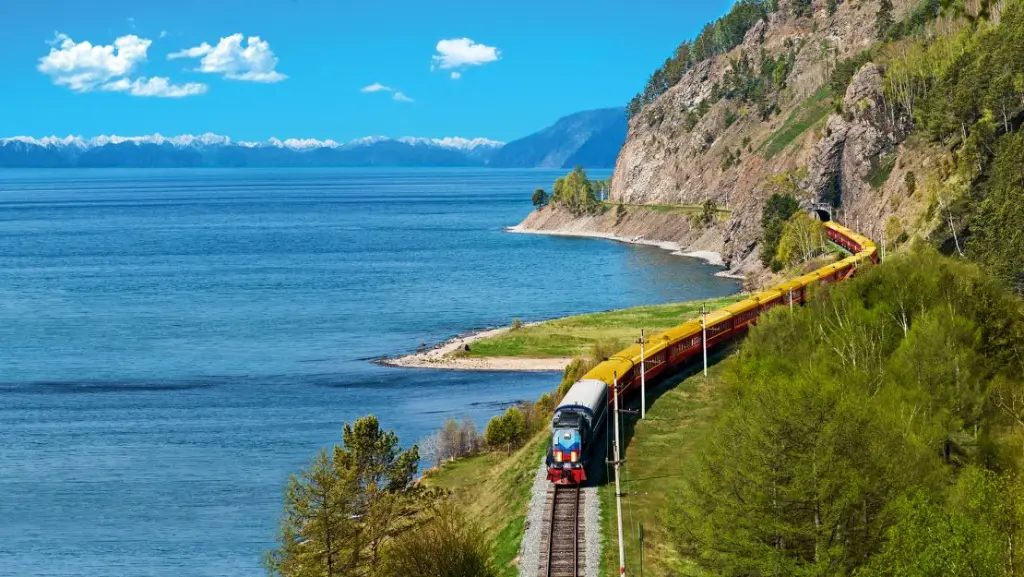
Pro tip: Break the journey with 1-3 day stops—book separate tickets for flexibility. Scenic gem: Lake Baikal views near Slyudyanka.
View of Lake Baikal from Trans-Siberian Railway window
Onboard Experience: Classes, Amenities, and Tips
Russian trains are reliable but vary by class. No WiFi on most, but power outlets and hot water for tea are standard. Dining cars serve borscht and pelmeni (~$5-10/meal). Pack snacks, as stops are short.
Accommodation Classes
| Class | Description | Capacity | Perks | Approx. Price (Moscow-Vladivostok) |
|---|---|---|---|---|
| Platzkart (3rd Class) | Open-plan bunks | 54/car | Budget, social vibe; linens included | $200-300 |
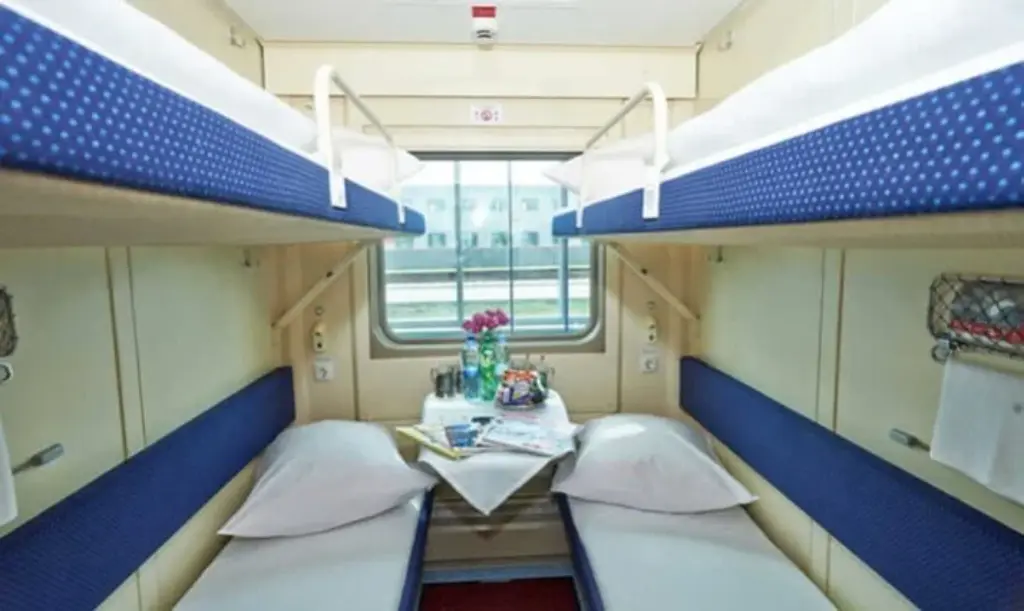
| Kupe (2nd Class) | 4-berth compartments | 4/room | Privacy doors, more space | $400-600 |
| SV (1st Class) | 2-berth private | 2/room | Meals included, showers on premium trains | $800-1,200 |
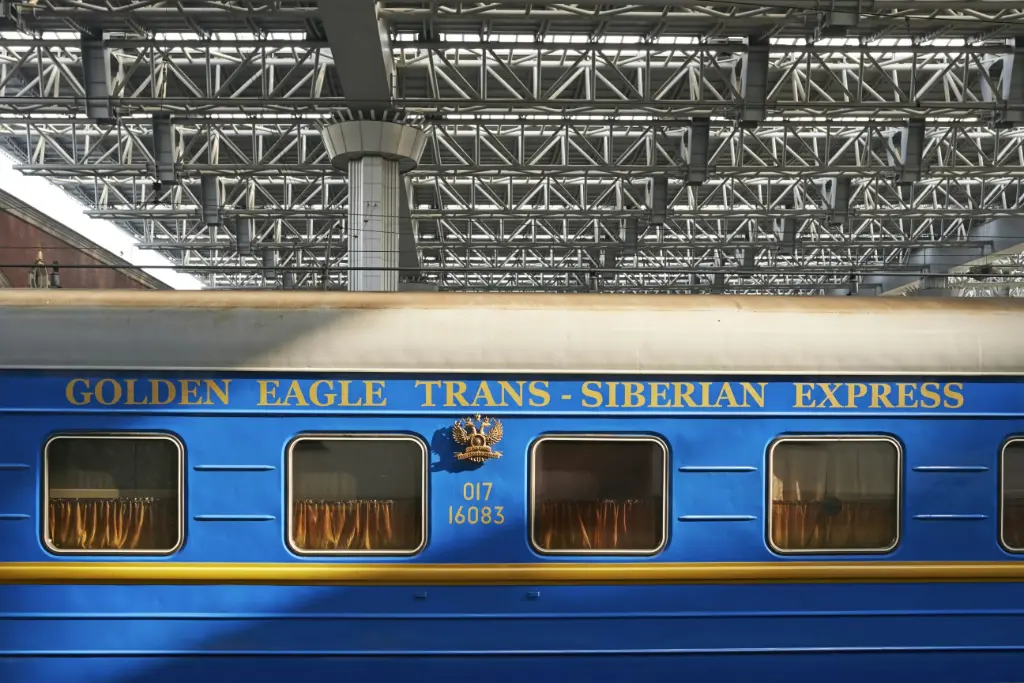
| Luxury (Golden Eagle) | Private en-suite | 1-2/room | Gourmet dining, tours | $15,000+ (tour package) |
Prices in USD, dynamic; book early.
Tips: Bring slippers, earplugs, and a mug. Women-only compartments available. For hygiene, use wet wipes—showers limited.
Inside a Trans-Siberian Railway kupe compartment
Prices and How to Book: 2026 Essentials
Full Moscow-Vladivostok fares start at $200 (3rd class) to $1,200 (1st), plus visas (~$100-200). Tour packages: $2,000-20,000 for 16 days with stops.
Booking Tips
- Book Online: Via Russian Railways or agents like Real Russia—tickets available 90 days ahead.
- Visas: Russia e-visa for 16 days; Mongolia/China if branching.
- Discounts: Kids under 10 half-price; book off-peak (winter) for savings.
- Total Cost Estimate: $500-1,500 DIY (train + food + stops); add $1,000+ for tours.
Golden Rule: Plan for winter (snowy magic) or summer (long days)—avoid shoulder seasons for crowds.
Is the Trans-Siberian Worth It? Pros, Cons, and Verdict
Yes, for adventurers—unmatched scenery, cultural immersion, and a sense of achievement. Pros: Affordable, eco-friendly, meets locals. Cons: Long hours, basic comfort, language barriers (learn basic Russian). Not for claustrophobes or luxury seekers without upgrades.
In 2026, with stable geopolitics, it’s safer and more accessible. Verdict: Life-changing if you embrace the slow travel.
Alternatives: Other Epic Rail Journeys
- Orient Express (Europe): Luxury, shorter (2-6 days), from €3,000.
- Silk Road Trains (Central Asia): Tashkent to Almaty, cheaper but rougher.
- Flights: Moscow-Vladivostok $100-200, but misses the adventure.
- Private Charters: Golden Eagle for opulence.
Summary: Embark on Your 2026 Trans-Sib Adventure
The Trans-Siberian Railway in 2026 promises an unforgettable odyssey through Russia‘s heart—budget-friendly, scenic, and soul-stirring. Whether DIY or toured, it’s the ultimate overland epic. Book via rzd.ru or tours like Discovery Russia—visas and packing lists ready? All aboard!