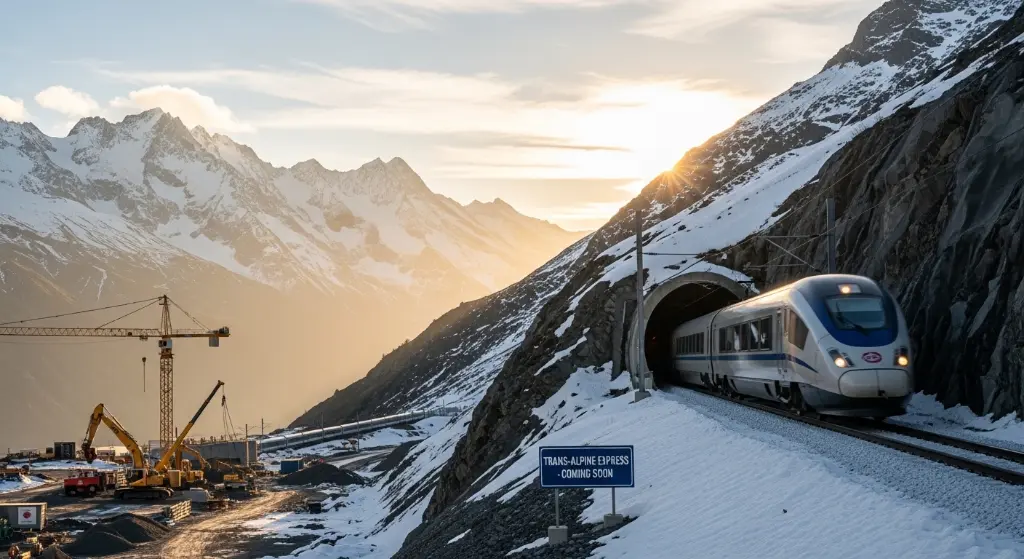
Europe is entering a new era of rail expansion. Governments across the continent are investing billions in high-speed lines, cross-border corridors, and sustainable rail solutions. Here’s a detailed look at the most significant projects coming over the next decade.
1. France – Paris–Lyon–Marseille High-Speed Extension
France is upgrading TGV lines to reduce travel time further and increase frequency. New high-speed sections will improve connections to southern cities like Marseille and Nice, while enhancing cross-border links to Italy.
2. Germany – Frankfurt–Berlin ICE Modernization
Germany is modernizing ICE tracks and stations to improve efficiency and comfort. Plans include electrification improvements, faster trains, and digitalized signaling, cutting travel time between Berlin and Frankfurt.
3. Spain – Madrid–Barcelona–French Border Expansion
Spain is extending the AVE network toward the French border, facilitating faster Paris–Barcelona travel. Cross-border high-speed connections are expected to reduce short-haul flights significantly.
4. Italy – Milan–Venice High-Speed Upgrade
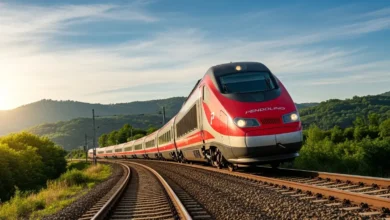
Italy is investing in Frecciarossa upgrades along northern corridors. Reduced travel times between Milan, Venice, and Verona will strengthen business and tourism links while promoting rail over flights.
5. Trans-European Rail Corridors
Several pan-European initiatives aim to connect multiple capitals efficiently:
- Berlin–Warsaw–Krakow modernizations
- Vienna–Budapest corridor upgrades
- Paris–Brussels–Amsterdam line improvements
These corridors reinforce Europe’s integrated rail strategy and promote cross-border mobility.
6. Revival of Night Train Routes
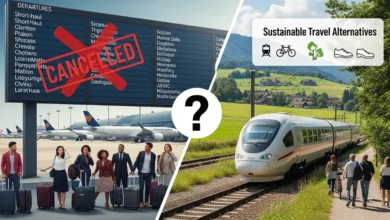
Many countries are investing in night train services, linking major cities while reducing domestic flight demand. These projects combine sustainability with travel efficiency, complementing high-speed daytime routes.
See how night trains reshape Europe’s travel landscape in Why Night Trains Are Replacing Short-Haul Flights.
7. Green Technology Investments
Governments are also funding electrification, hydrogen-powered trains, and renewable-powered stations. These projects align with Sustainable Travel in Europe initiatives, ensuring rail remains the greenest transport option.
8. How These Projects Affect Travelers
Future travelers will benefit from:
- Faster city-to-city connections
- Reduced reliance on short-haul flights
- Improved comfort and onboard services
- Expanded international travel options
Combining day-time high-speed trains with night trains will offer unmatched efficiency and sustainability in European travel.
The Big Picture
Europe is transforming its rail network at an unprecedented scale. Travelers in 2030 will enjoy faster, greener, and more connected journeys than ever before. For planning today’s trips and understanding the evolving landscape, start with High-Speed Trains in Europe – The Complete Guide and Sustainable Travel in Europe.