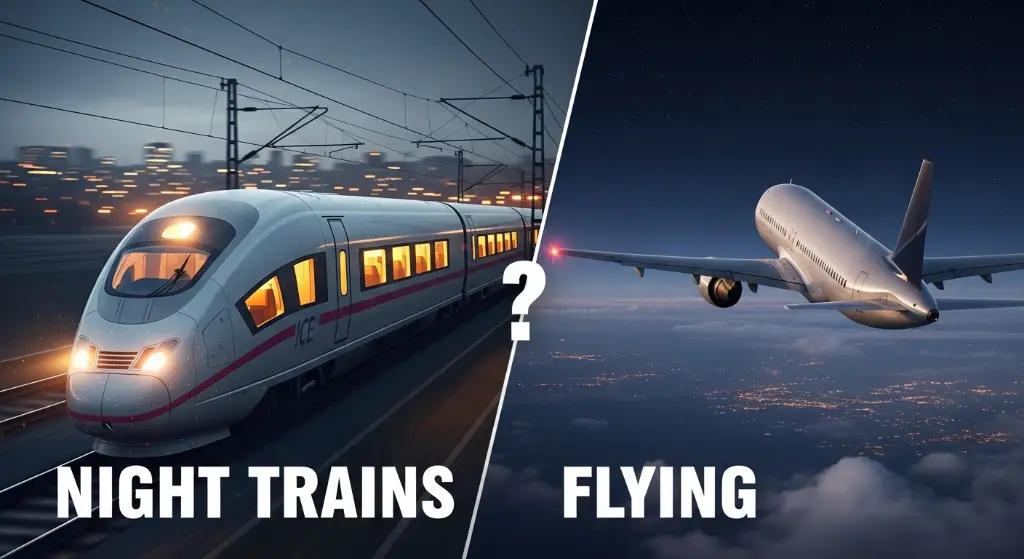
At first glance, flying seems faster. A one-hour flight looks unbeatable compared to an overnight train ride. But when you factor in airport transfers, security lines, boarding delays, and lost daytime hours, the equation changes dramatically. In many European routes, night trains are quietly winning the time battle.
The Hidden Time Cost of Flying
Short-haul flights rarely take just “one hour.” Travelers typically arrive at the airport 2 hours early, spend time in security, wait at the gate, and then commute from an airport located far outside the city center. What looks like a quick flight often turns into a 5–6 hour journey door to door.
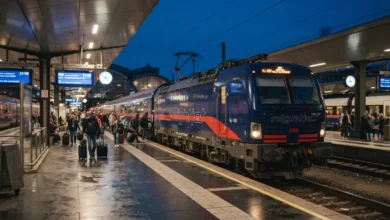
Night trains, on the other hand, depart from central stations and arrive directly in the heart of major cities. No security queues. No baggage carousels. No wasted morning.
Travel While You Sleep
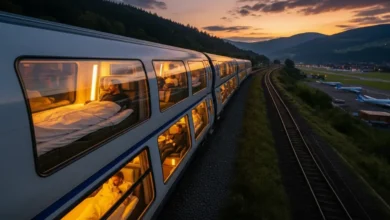
The biggest advantage of night trains is simple: you travel while you sleep. You board in the evening, rest overnight, and wake up at your destination ready to start the day. Instead of losing a full travel day, you gain one.
This is especially true on popular Nightjet connections like Vienna–Rome or Berlin–Paris. Check how this works in practice in our guide to modern Nightjet sleeper cabins.
City Center to City Center Advantage
Most European night trains connect city centers directly. Compare that with flights, where airports are often 30–60 minutes away from downtown, sometimes even longer.
Arriving by night train means stepping off the platform and walking straight into the city. Hotels, public transport, and landmarks are immediately accessible. This city-center advantage alone can save hours.
Real-World Time Comparison
Let’s compare a typical route:
- Flight: Evening airport transfer + early arrival + security + flight + arrival transfer = ~6 hours total
- Night Train: Evening boarding + overnight travel + morning arrival = 0 lost daytime hours
From a productivity and experience perspective, night trains often outperform flights—especially for distances between 600–1,200 km.
Delays, Stress, and Reliability
Short-haul flights are among the most delay-prone in Europe due to congestion and weather. Night trains are generally more stable, and even when delays happen, passengers are already resting rather than waiting in crowded terminals.
This stress-free aspect is a key reason travelers are switching, as explored in why night trains are replacing short-haul flights.
Comfort vs Cabin Rush
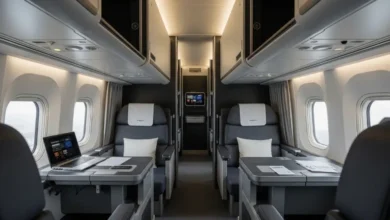
While flights squeeze passengers into narrow seats for short hops, night trains offer beds, private cabins, power outlets, and space to move. The experience feels closer to a hotel than transport.
For a deeper look at comfort levels, read Inside a Modern Nightjet Sleeper Cabin.
When Flying Still Makes Sense
Flights can still be faster on very short routes or when crossing seas and remote regions. But for mainland Europe, especially overnight distances, flying often only looks faster on paper.
The real question is not speed alone—but how much usable time you keep.
The Verdict: What Really Saves Time?
When you measure total journey time, lost productivity, and stress, night trains frequently save more time than short-haul flights. You sleep, arrive centrally, and start your day immediately.
That’s why night trains are at the heart of Europe’s rail revival. Explore the full picture in our pillar guide: The Comeback of Night Trains in Europe.