
Sustainable Travel in Europe: Why Trains Are Leading the Green Revolution
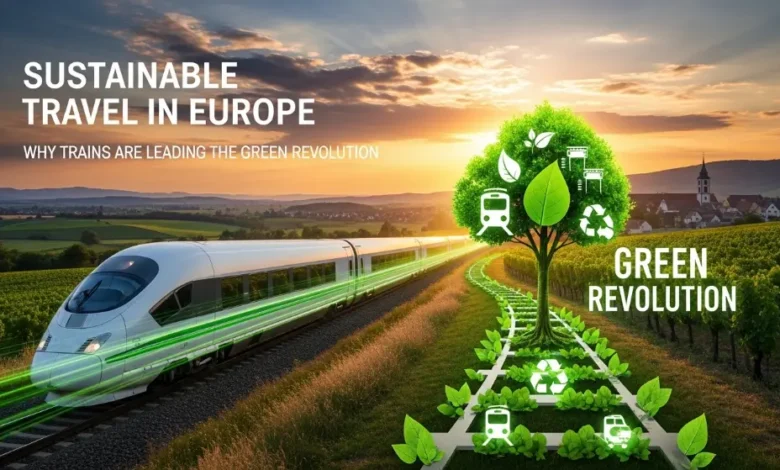
Sustainable travel is no longer a niche movement — it is becoming the new standard for exploring Europe. As climate awareness grows and travelers seek more responsible ways to move across the continent, rail transport is emerging as the clear leader. From high-speed trains to overnight sleepers, Europe’s rail network offers one of the most environmentally friendly ways to travel.
This guide explores why trains are at the heart of Europe’s green mobility revolution — and how you can travel more sustainably without sacrificing comfort or efficiency.
Why Sustainable Travel Matters More Than Ever
Transportation is one of the largest contributors to carbon emissions in Europe. Short-haul flights, in particular, generate significantly higher emissions per passenger compared to rail. As cities and governments introduce greener policies, travelers are rethinking how they move between destinations.
Choosing trains over flights on medium-distance routes can dramatically reduce your travel footprint — while often improving the overall experience.
How Trains Reduce Carbon Emissions
Rail transport is significantly more energy-efficient than aviation. Electric trains powered increasingly by renewable energy sources produce far fewer emissions per passenger kilometer. In many European countries, railway electricity comes from a high percentage of renewables.
Overnight services are especially efficient because they combine accommodation and transport in one journey. Learn more about this trend in The Comeback of Night Trains in Europe.
Night Trains: The Sustainable Alternative to Short-Haul Flights
Night trains eliminate the need for hotels and short-distance flights. Instead of losing a day in transit, travelers board in the evening and wake up in a new city.
This shift is reshaping European mobility, as explained in Why Night Trains Are Replacing Short-Haul Flights.
High-Speed Rail and Green Mobility
Europe’s high-speed rail network connects major capitals quickly and efficiently. Routes like Paris–Lyon, Madrid–Barcelona, and Rome–Milan have significantly reduced domestic flights.
High-speed trains offer city-center to city-center convenience, reducing not only emissions but also travel time lost to airport transfers.
City-Center Advantage: Lower Impact, Higher Efficiency
Airports are often located far from city centers, requiring additional transportation. Trains arrive directly in the heart of cities, reducing secondary emissions from taxis, buses, or car rentals.
This efficiency is one reason many travelers now compare night trains vs flying before booking short European routes.
Slow Travel and Conscious Tourism
Sustainable travel is not just about emissions — it’s about mindset. Rail travel naturally encourages slower, more immersive journeys. Instead of rushing between destinations, travelers spend more time in each city, supporting local economies and reducing overtourism pressure.
Overnight services in particular reshape the rhythm of travel, as explored in How Overnight Trains Change the Way You Travel.
Comfort Without Compromise
Modern European trains are no longer basic transport. Private cabins, onboard dining, Wi-Fi, and quiet compartments make rail travel comfortable and practical.
To see what sustainable comfort looks like in practice, explore Inside a Modern Nightjet Sleeper Cabin.
Practical Tips for Sustainable Travel in Europe
- Choose trains over flights for routes under 1,200 km
- Book overnight trains to combine transport and accommodation
- Travel lighter to reduce energy load
- Stay longer in each destination
- Support local transport networks
The Future of Green Travel in Europe
With increasing investment in cross-border rail infrastructure, night train expansion, and renewable-powered electric trains, Europe is positioning rail as the backbone of sustainable mobility.
If you’re planning your next journey, start with our comprehensive guide to Night Trains in Europe and explore how rail can transform the way you travel — responsibly.