Hidden Gem European Train Destinations: Affordable & Off the Beaten Path (2026)
Tired of the crowded platforms of Paris, Rome, and Amsterdam? Europe’s railway network extends far beyond the major tourist hubs, connecting travelers to charming, affordable, and authentic hidden gem destinations.
If you want to combine several European cities efficiently and affordably while avoiding the masses, this guide to lesser-known train destinations is for you.
Top 5 Lesser-Known European Destinations by Train
1. Slovenia: The Green Heart of Europe
- Hub: Ljubljana
- How to get there: Direct daytime or night trains from Vienna, Munich, or Venice.
- Why go: Ljubljana is a car-free, incredibly green capital. From here, a short, cheap regional train ride takes you to Lake Bled or the coastal town of Piran (via bus connection from the nearby train station). It’s a fraction of the cost of neighboring Austria or Italy.
2. Portugal’s Douro Valley & Beyond
- Hub: Porto
- How to get there: Direct night train (Lusitania) from Madrid, or fly into Porto and use the train network.
- Why go: Take the Linha do Douro regional train from Porto to Pinhão. It’s widely considered one of Europe’s most beautiful train rides, winding through terraced vineyards along the river, without the Italian or French price tags.
3. Alsace, France (Beyond Paris)
- Hub: Colmar or Strasbourg
- How to get there: High-speed TGV from Paris (2h 20m) or direct ICE from Frankfurt/Germany.
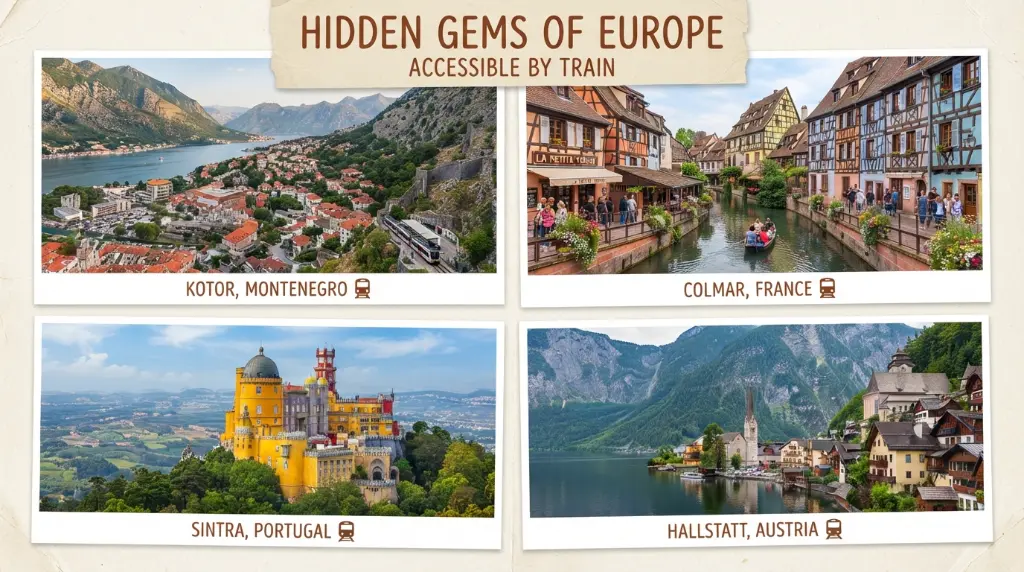
- Why go: Colmar looks like a fairytale village with its half-timbered houses and canals. It’s the perfect base for exploring the Alsatian wine route via cheap, frequent regional trains (TER).
4. The Baltics: Riga, Latvia
- Hub: Riga
- How to get there: Take a train from Warsaw, Poland, to the border, then a comfortable modern bus/train connection (Rail Baltica is expanding, but current mixed-mode is very efficient).
- Why go: Riga offers stunning Art Nouveau architecture, a beautiful old town, and a vibrant culture at a fraction of Western European prices.
5. Southern Italy: Puglia Region
- Hub: Bari or Lecce
- How to get there: High-speed Frecciarossa from Rome or Naples (2-3 hours).
- Why go: While Rome and Florence are packed, Puglia offers whitewashed villages (like Ostuni and Locorotondo), incredible food, and beautiful coastlines, all connected by affordable regional trains (Trenitalia).
How to Choose the Best Route Based on Time & Budget
When planning an itinerary to combine several cities efficiently, use this framework:
- The “Hub and Spoke” Method: Instead of changing hotels every night, pick one central “hub” city (e.g., Vienna, Munich, or Lyon) and take day trips via regional trains to nearby hidden gems. This saves on accommodation costs and luggage hauling.
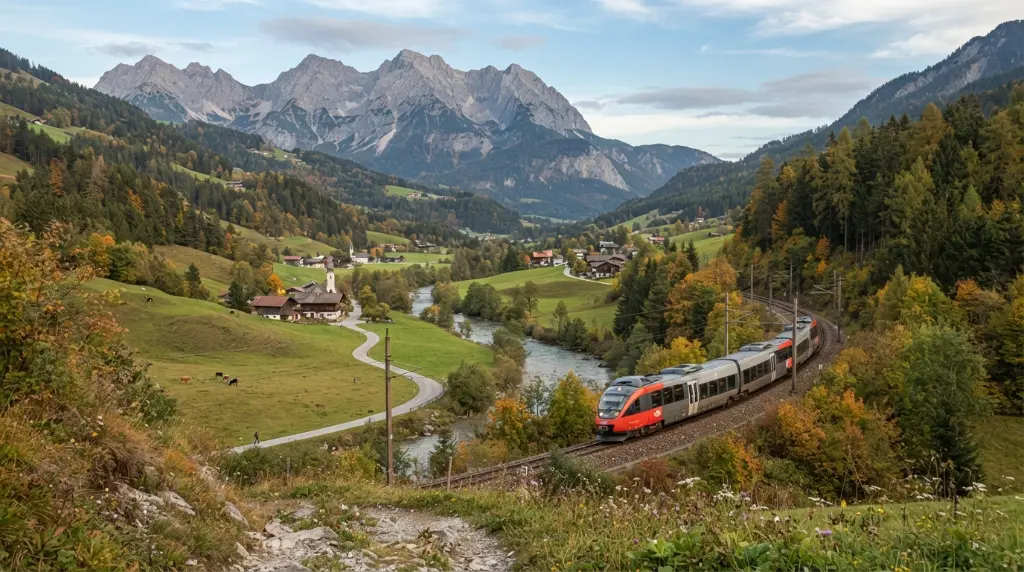
- Prioritize Regional Trains (RE, TER, REX): They are significantly cheaper than high-speed trains, rarely require mandatory (and costly) seat reservations, and often take more scenic routes through small villages.
- Use the “Border Hop” Trick: Traveling between neighboring countries via regional trains is often cheap. Example: Aachen (Germany) to Liège (Belgium) costs just a few euros and takes 40 minutes.