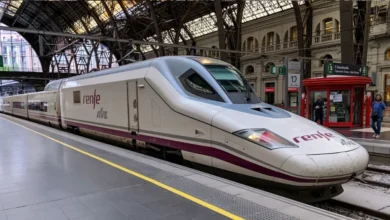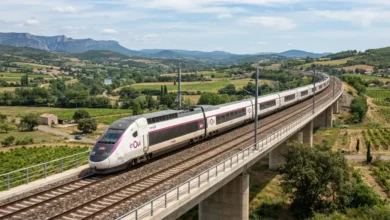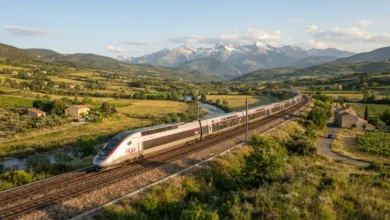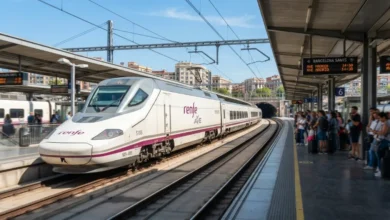
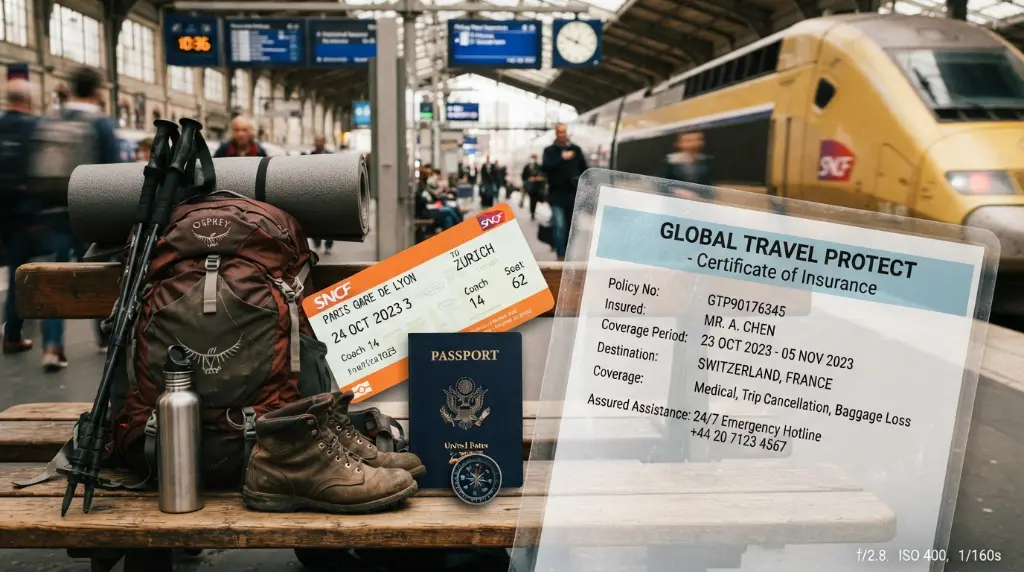
Planning a European train adventure is exciting—watching the Alps roll by from a panoramic carriage or falling asleep to the rhythm of rails on a night train is unforgettable. But let’s be honest: hidden fees, lost luggage, confusing ticket rules, and unexpected emergencies can quickly derail your trip (and your budget).
Whether you’re booking your first Interrail pass or planning a multi-city journey on the Nightjet, this 2026 checklist covers the three things you must sort out before boarding: proper travel insurance, fee-free payment methods, and the right gear to keep your belongings safe.
Skip the stress, save money, and travel smarter. Let’s dive in.
Do You Really Need Travel Insurance for European Trains?
Many travelers assume that because Europe is “safe,” they don’t need insurance. But train travel comes with unique risks that standard health insurance or credit card perks often don’t cover.
What Standard Train Tickets (and Eurail Passes) Actually Cover
Here’s the hard truth: most train tickets and rail passes offer zero protection for personal emergencies.
- Eurail/Interrail Pass: Covers only train delays and missed connections (and even then, compensation is limited). It does not cover medical emergencies, trip cancellations, or stolen luggage.
- Point-to-Point Tickets: If you miss a non-refundable ticket due to illness, you’re out of luck unless you have travel insurance.
- European Health Insurance Card (EHIC/GHIC): Covers emergency medical treatment in EU countries, but not medical evacuation, repatriation, or non-emergency care.
Top Features to Look for in a European Travel Insurance Policy
When shopping for travel insurance for a European train trip, prioritize these three coverages:
- Medical Coverage (Minimum €30,000): Covers hospital stays, doctor visits, and emergency dental care. Essential if you’re traveling outside your home country’s health system.
- Trip Cancellation & Interruption: Reimburses non-refundable tickets and accommodations if you need to cancel due to illness, family emergencies, or natural disasters.
- Baggage Protection & Personal Effects: Covers theft or loss of luggage, cameras, laptops, and other valuables. Critical for train travelers, as luggage theft on overnight trains is more common than you’d think.
Pro Tip: Look for policies that specifically mention “adventure activities” if you plan to ski, hike, or cycle during your trip—many standard policies exclude these.
How to Pay for European Trains Without Losing Money on Fees
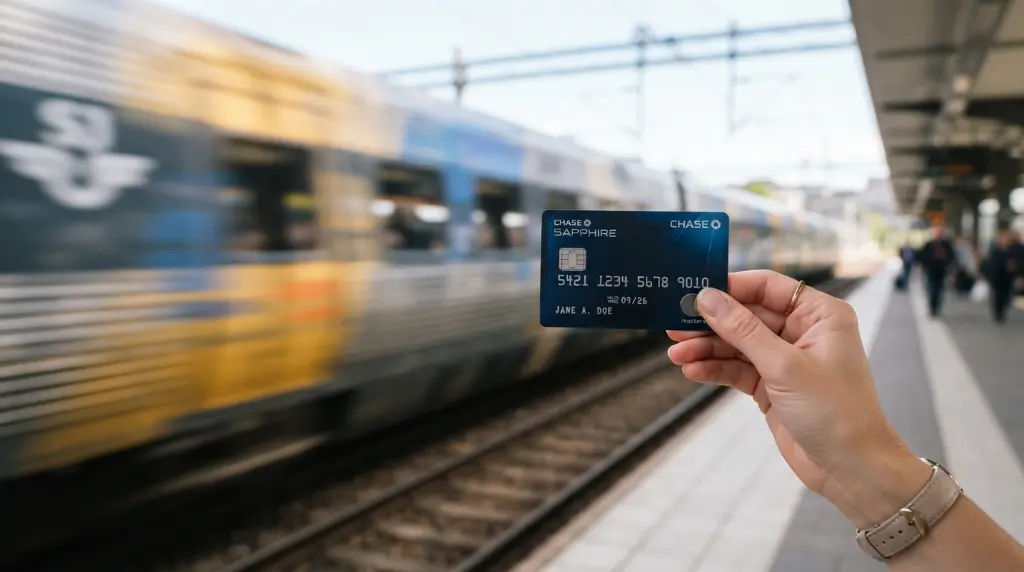
You’ve booked the perfect itinerary, but when the bill hits your credit card statement, you notice a mysterious 3% charge. That’s a foreign transaction fee, and it can add up to hundreds of euros over a multi-country trip.
The Hidden Cost of “Foreign Transaction Fees”
Most traditional banks charge 2-3% on every transaction made in a foreign currency. That means:
- Buying a €200 TGV ticket? You pay an extra €6.
- Booking a €500 Nightjet sleeper? That’s €15 lost.
- Over a 3-week trip with multiple bookings, you could lose €50-€100 without even realizing it.
Best Credit Cards and Digital Wallets for Train Travel in 2026
The solution? Use cards and wallets with 0% foreign transaction fees. Here’s what works best in 2026:
Credit Cards with No Foreign Transaction Fees:
- Revolut Metal/Premium: Offers fee-free spending in 150+ currencies, plus travel insurance and lounge access on premium tiers.
- Wise (formerly TransferWise) Card: Uses the real mid-market exchange rate with minimal fees—ideal for booking tickets directly with European rail operators.
- Chase Sapphire Preferred (US) / Barclaycard Avios (UK): Popular travel cards with no foreign transaction fees and generous points for booking trains.
Digital Wallets:
- Apple Pay / Google Pay: Widely accepted at European train stations (SNCF, DB, ÖBB). Link your fee-free card for seamless, contactless payments.
- PayPal: Sometimes offers better exchange rates than cards, but check fees first.
Avoid: Dynamic Currency Conversion (DCC). If a ticket machine asks whether you want to pay in EUR or your home currency, always choose EUR. DCC adds a 5-7% markup.
Essential Gear for Safe and Comfortable Train Travel
The right gear can make the difference between a stressful journey and a smooth one. Here’s what experienced rail travelers pack.
The Best Anti-Theft Backpacks for European Trains
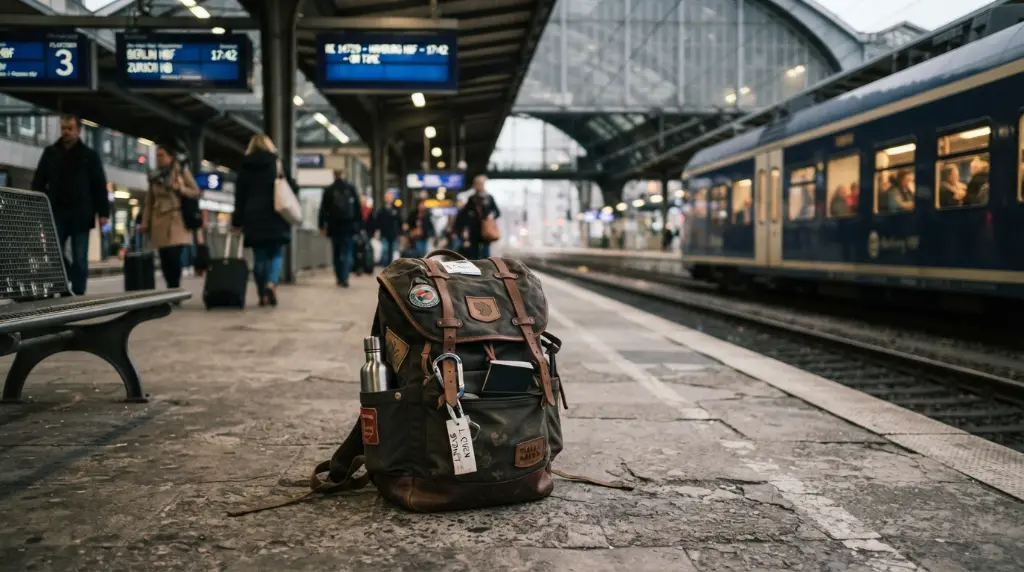
Luggage theft on trains—especially overnight services—is a real concern. Thieves target unlocked zippers, unattended bags, and sleepers in lower bunks.
What to look for:
- Slash-proof materials: Bags made from cut-resistant fabrics (e.g., Pacsafe, Travelon).
- Lockable zippers: Built-in locks or loops for padlocks.
- RFID-blocking pockets: Protects credit cards and passports from electronic pickpocketing.
- Hidden compartments: Secret pockets for passports and cash.
Top Picks for 2026:
- Pacsafe Venturesafe X30: Anti-theft features, lightweight, perfect for carry-on.
- Cotopaxi Allpa 35L: Durable, water-resistant, and stylish (though not anti-theft—pair with a lock).
- Nomatic Travel Bag 40L: Maximum organization, great for longer trips.
Must-Have Gadgets: Power Banks, Adapters & Noise-Canceling Headphones
European trains are increasingly modern, but older regional trains may have limited (or broken) power outlets.
Essential gadgets:
- Universal Travel Adapter (EU/UK/Swiss): A single adapter that works across Europe. Look for one with multiple USB ports.
- High-Capacity Power Bank (20,000mAh+): Keeps your phone, tablet, and e-reader charged during long journeys. Anker and Baseus are reliable brands.
- Noise-Canceling Headphones: Essential for blocking out snoring seatmates, crying babies, and loud announcements. Sony WH-1000XM5 and Bose QuietComfort are top choices.
- Portable Door Lock: For added security in hostels or shared sleeper cabins.
Bonus Tip: Download offline maps (Google Maps, Maps.me) and train schedules (DB Navigator, SBB Mobile) before your trip. Wi-Fi on European trains is improving but still unreliable in rural areas.
What to Do If Things Go Wrong (Missed Connections & Lost Luggage)
Even the best-planned trips can hit snags. Here’s how to handle common problems:
Missed Connections:
- If you miss a connection due to a delay on the first train, you’re entitled to board the next available train at no extra cost (under EU passenger rights).
- Keep your tickets and note the delay time—this is required for compensation claims.
- Use apps like Trainline or Omio to find alternative routes in real-time.
Lost or Stolen Luggage:
- Report theft immediately to train staff and local police. Get a written report—insurance companies require it.
- For lost luggage (not stolen), file a claim with the railway operator within 7 days.
- Keep receipts for essential items you need to replace (toiletries, clothing)—insurance may reimburse you.
Medical Emergencies:
- Call local emergency services (112 works across the EU).
- Contact your insurance provider immediately—they can arrange medical evacuation if needed.
- Keep digital and physical copies of your insurance policy and EHIC/GHIC card.
Frequently Asked Questions (FAQ)
Q: Does my European health insurance card (EHIC) cover train accidents?
A: The EHIC covers emergency medical treatment in EU countries, including accidents on trains. However, it does not cover medical evacuation, repatriation, or non-emergency care. For comprehensive coverage, you need private travel insurance.
Q: Can I get a refund on my train ticket if I have travel insurance?
A: Yes, if your policy includes trip cancellation or interruption coverage. You’ll need to provide documentation (e.g., a doctor’s note for illness, police report for theft). Check your policy’s terms carefully—some exclude “disinclination to travel.”
Q: Are there luggage storage lockers at major European train stations?
A: Yes, most major stations (Paris Gare du Nord, Berlin Hbf, Rome Termini) have left luggage facilities. Prices range from €5-€15 per bag per day. Apps like Bounce and Radical Storage offer cheaper alternatives with local shop partnerships.
Q: Is it safe to sleep on night trains with valuables in the cabin?
A: Generally yes, but take precautions: use a locker if available (Nightjet cabins have small safes), keep valuables in a small bag under your pillow, and lock the cabin door from the inside. Avoid flashing expensive electronics in shared compartments.
Q: Do I need a separate visa for each European country I visit by train?
A: If you’re traveling within the Schengen Area (most EU countries + Switzerland, Norway, Iceland), you only need one Schengen visa. The UK and Ireland are not in Schengen and require separate visas for non-EU citizens.
Final Thoughts: Don’t Let Logistics Ruin Your Rail Adventure
European train travel is one of the most rewarding ways to explore the continent—but only if you’re prepared. By sorting out your insurance, grabbing a fee-free payment method, and packing the right gear, you’ll avoid the headaches that derail so many trips.
Now that you’re covered on the essentials, it’s time to dive into the fun part: planning your route. Check out our detailed guides on ÖBB Nightjet: Complete Guide to Routes, Cabins & Booking and The Most Beautiful Train Rides in Switzerland (2026 Guide) to start building your dream itinerary.
Happy travels, and may your connections always be on time!