Japanese Shinkansen 2026: Is the Bullet Train Still Worth It?
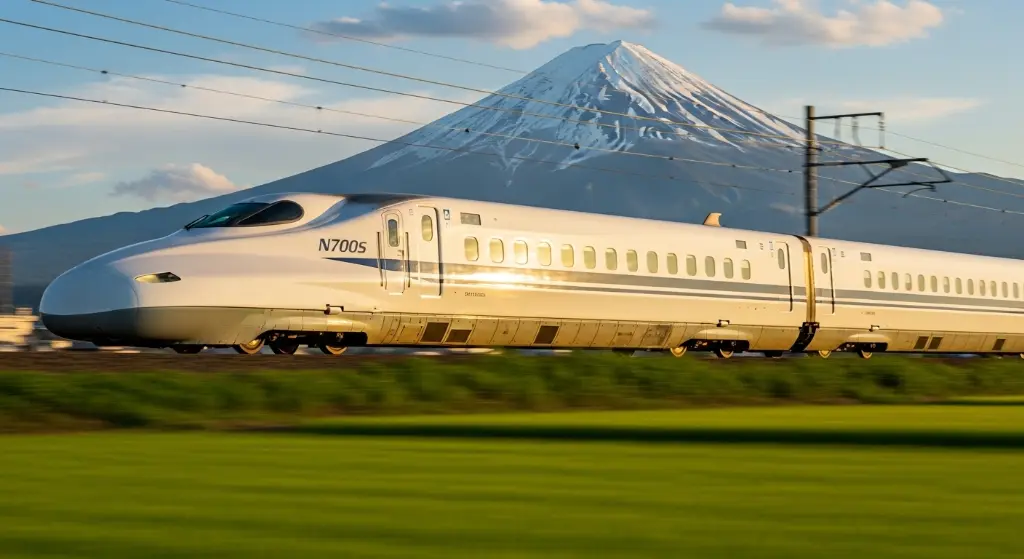
When people think of Japan, they picture cherry blossoms, sushi — and the sleek white nose of a Shinkansen slicing through the countryside at 300 km/h. For more than 60 years, Japan’s bullet train network has been the safest, most punctual and most efficient high-speed system on the planet.
Riding the Shinkansen is still a bucket-list experience. But after the major Japan Rail Pass price increase in 2023 (and smaller adjustments in 2026), the old advice of “just buy the pass” no longer works for everyone.
Here is the practical 2026 guide to understanding the Shinkansen, choosing the right train, deciding on the JR Pass, and travelling like a local.
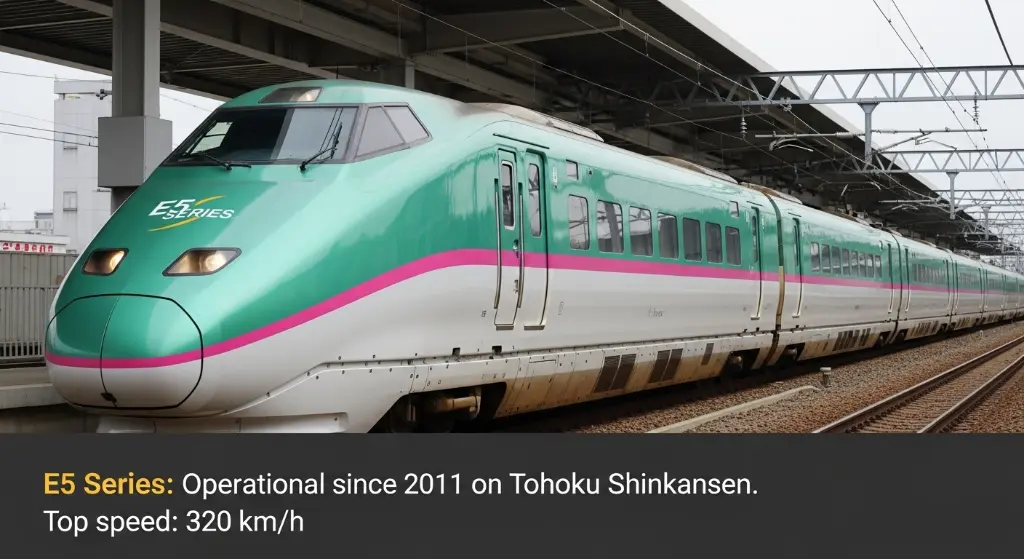
Shinkansen Types on the Tokaido Line (Tokyo–Kyoto–Osaka)
Not all bullet trains are the same. On the busiest route in Japan there are three main services:
| Train | Speed & Stops | Frequency | JR Pass | Best for |
|---|---|---|---|---|
| Nozomi | Fastest – skips most stations | Every 10 minutes | Surcharge required | Business travellers & tight schedules |
| Hikari | Medium – stops at major cities | Every 30 minutes | Fully included | Most JR Pass holders & leisure travellers |
| Kodama | Slowest – stops at every station | Hourly | Fully included | Budget travellers or those wanting more scenery |
Nozomi is the fastest and most frequent, but since 2023 JR Pass holders must pay an extra surcharge to use it. Hikari is the sweet spot for most tourists with a pass.
Onboard Classes
Ordinary Car (Standard)
- Layout: 3+2 seating
- Excellent legroom (even for tall passengers)
- Clean, quiet and perfectly comfortable for 99% of travellers
Green Car (First Class)
- Layout: 2+2 seating
- Wider seats, more recline, footrests, quieter atmosphere
- Worth it mainly during peak seasons or if you simply want more space
Gran Class (select trains only)
- Layout: 1+2 seating
- Leather seats, complimentary meal and drinks, personal attendant
- Comparable to business class on a plane — a true luxury experience
JR Pass vs Individual Tickets in 2026
The nationwide Japan Rail Pass saw a major price jump in October 2023. In 2026 the 7-day Ordinary Pass costs approximately ¥50,000 (rising slightly for some overseas purchases from 1 October 2026).
Quick cost comparison (Tokyo–Kyoto return):
- Individual Shinkansen tickets ≈ ¥28,000
- 7-day JR Pass ≈ ¥50,000
When the JR Pass still makes sense:
- You travel long distances across multiple regions (Tokyo–Kyoto–Osaka–Hiroshima–Kanazawa etc.)
- You will use the Shinkansen several times within 7, 14 or 21 days
When individual tickets are better:
- You only do Tokyo ↔ Kyoto / Osaka
- You stay mostly in one city with short day trips
- You can use cheaper options such as the Platt Kodama tickets
Always calculate your exact itinerary before buying the pass.
Essential Rules & Etiquette
- Silence – Phone calls are not allowed at your seat. Move to the vestibule between cars if you need to talk.
- Ekiben – Station bento boxes are part of the experience. Buy one before boarding (Tokyo Station has an enormous selection).
- Oversized luggage – Suitcases with total dimensions between 160 cm and 250 cm require a reserved seat in the oversized baggage area (last row of the car). Failure to reserve can result in a ¥1,000 fine and having to move the bag.
- Reservations – Free with the JR Pass on Hikari and Kodama. Highly recommended during busy periods.
Best Seat for Mount Fuji
On the Tokyo → Osaka / Kyoto direction, sit on the right-hand side (seats E or D in Ordinary, or the equivalent in Green Car) for the best chance of seeing Mount Fuji about 40–50 minutes after leaving Tokyo (weather permitting).
Is the Shinkansen Still Worth It?
Yes — for the experience, the punctuality (average annual delay is measured in seconds, not minutes), the comfort and the sheer engineering excellence.
It remains one of the most stress-free ways to travel long distances anywhere in the world. The only real question in 2026 is whether you need the full national JR Pass or whether point-to-point tickets (or a regional pass) will save you money.
Money-Saving Alternatives
| Option | Pros | Cons |
|---|---|---|
| Highway Bus (Willer etc.) | Very cheap | 8+ hours, less comfortable |
| Low-cost flights | Fast for very long distances | Airport transfers + security |
| Regional JR passes | Good value for specific areas | Limited coverage |
| Platt Kodama tickets | Discounted Kodama fares | Must book in advance, slower train |
Frequently Asked Questions
Can I use the JR Pass on Nozomi?
Yes, but you must pay an additional surcharge.
Do I need to reserve seats?
Not mandatory on Hikari/Kodama, but strongly recommended, especially with large luggage or during peak seasons.
Is Green Car worth the extra money?
Only if you value extra space and quiet, or are travelling during very busy periods.
How early should I arrive at the station?
10–15 minutes is usually enough — Japanese stations are extremely efficient.
Can I eat on the Shinkansen?
Yes. Eating your ekiben at your seat is completely normal and encouraged.
Bottom line: The Shinkansen is still the best high-speed rail experience in the world. Just do the maths on the JR Pass before you buy, follow the simple etiquette rules, and reserve the oversized baggage seats if needed. Then sit back, enjoy your bento, and watch Japan glide past at 300 km/h.
For a full breakdown of the Japan Rail Pass itself, see our dedicated Japan Rail Pass 2026 guide.